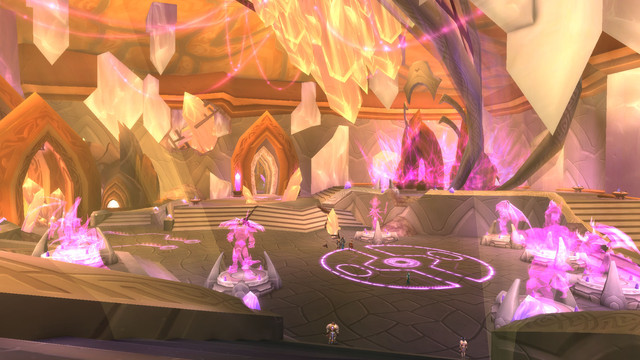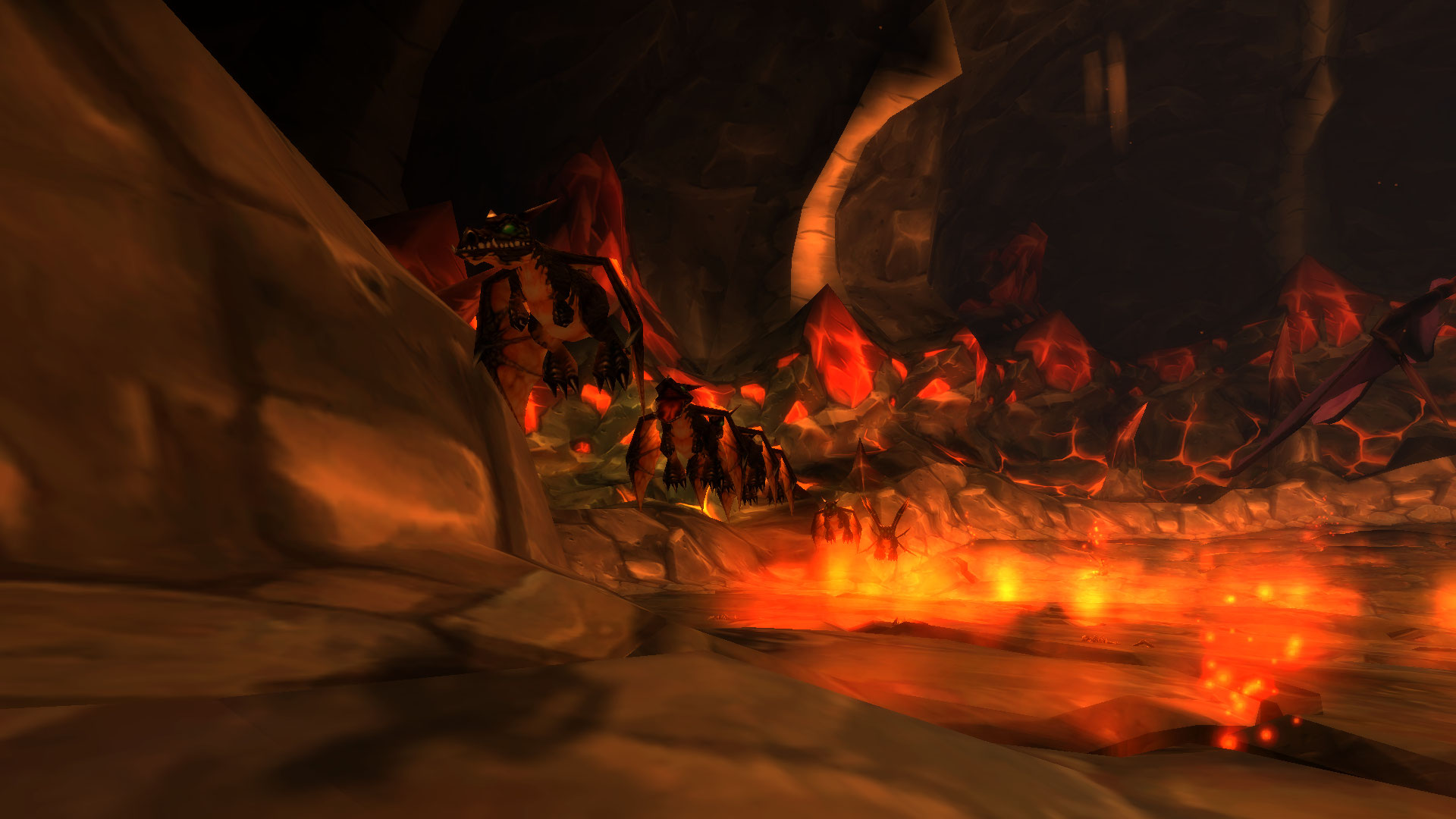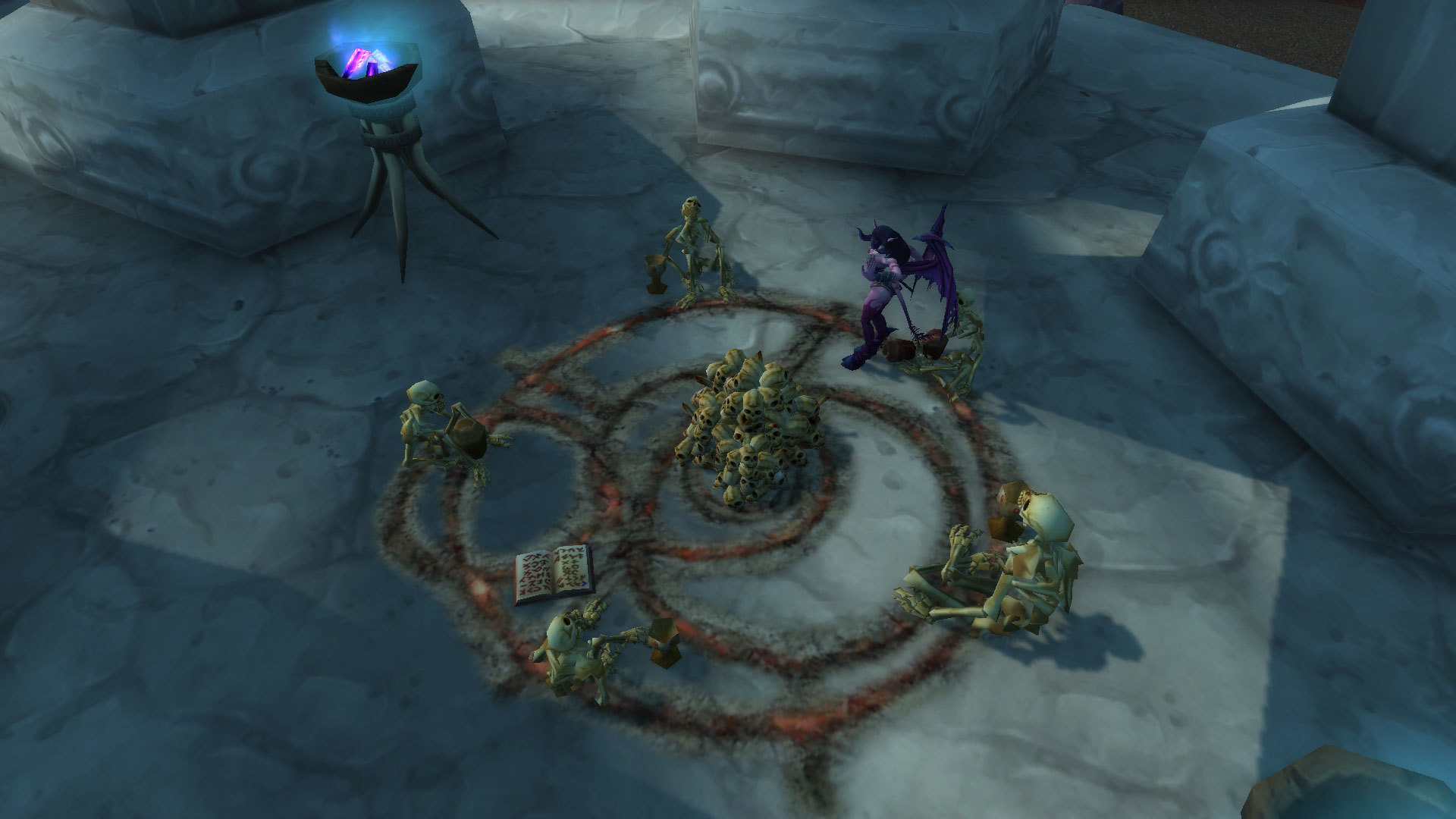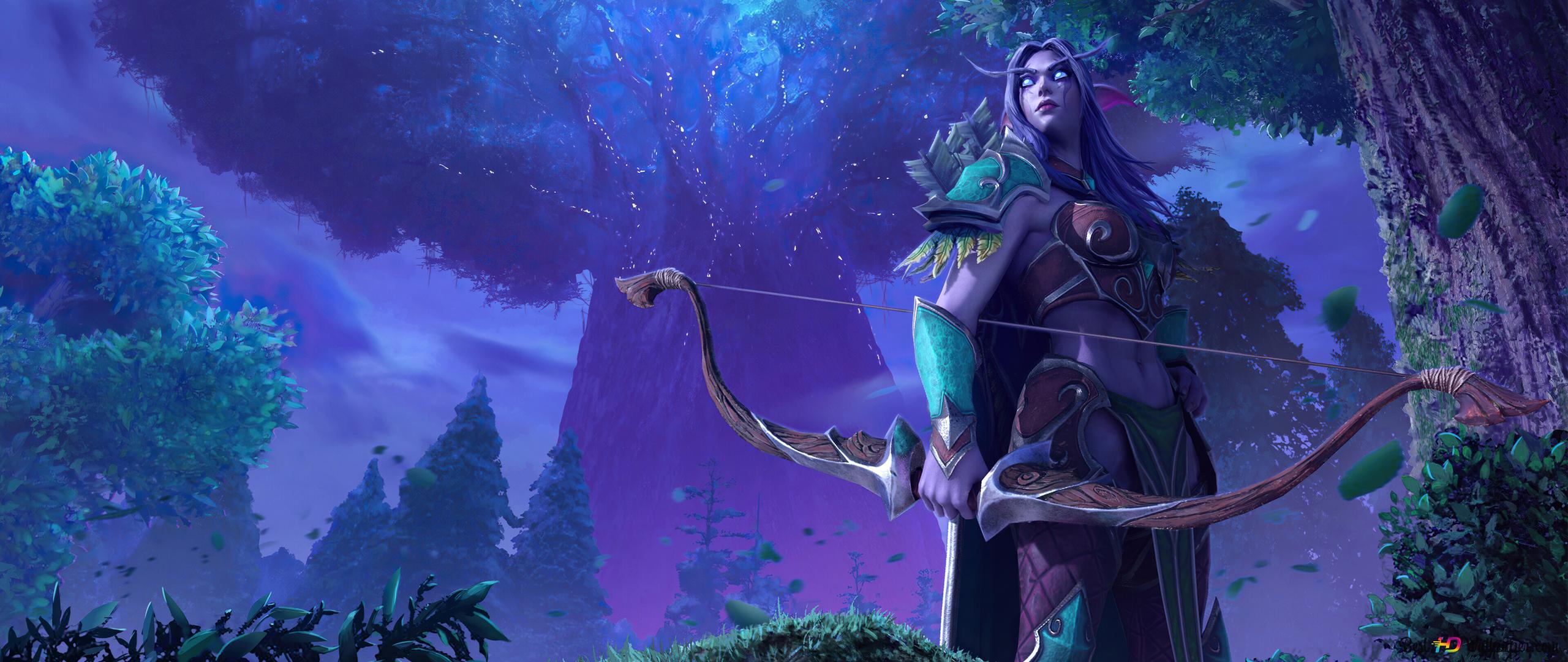

Choosing between Classic and Retail WoW involves evaluating your gameplay preferences. If you enjoy a nostalgic, challenging experience with complex quests and slower leveling, Classic WoW might suit you. It emphasizes community dynamics in large raids and resource sharing. Retail WoW, on the other hand, offers a streamlined, fast-paced adventure with efficient questing and frequent rewards. It features modern graphics and conveniences, such as automated group finders. Retail suits players seeking a solo-friendly journey with dynamic story progression. Consider whether you value teamwork or accessible progression to guide your decision, opening up new insights and gameplay experiences.
Key Takeaways
- Classic WoW offers a challenging leveling experience with complex quests, requiring group cooperation and strategic gameplay.
- Retail WoW provides a fast-paced, streamlined experience with solo-friendly leveling and efficient questing for quicker progression.
- Classic emphasizes community engagement through teamwork in raids and resource sharing, fostering strong social connections.
- Retail features modern graphics, a polished interface, and extensive accessibility options, enhancing convenience and gameplay experience.
- Classic immerses players in rich lore and exploration, while Retail focuses on fast narrative transitions linked to expansions.
Gameplay Differences
When exploring the gameplay differences between Classic and Retail World of Warcraft, you’ll notice significant contrasts that define each experience.
In Classic WoW, the open world feels vast and challenging, requiring you to navigate complex quest designs that often lack clear guidance. Retail WoW, however, offers streamlined quests that guide you efficiently, enhancing your sense of progress.
Class balance in Classic tends to be less forgiving, with specific classes excelling in particular roles. Retail’s class balance is more refined, providing versatility across different playstyles.
Combat mechanics in Classic are slower-paced and strategic, while Retail offers fast-paced, dynamic battles.
Loot distribution in Classic WoW is less frequent, making each item feel more rewarding. Retail, on the other hand, provides more consistent loot drops, which can either enhance or diminish the excitement, depending on personal preference.
The user interface in Classic is minimalist, encouraging players to manage resources manually. Retail WoW introduces an advanced user interface, simplifying resource management.
In-game events in Classic are less frequent, but often memorable, whereas Retail features regular events that keep the game world vibrant.
Each version caters to different player preferences, offering unique experiences.
Leveling Experience
When it comes to the leveling experience in Classic versus Retail WoW, you’ll notice a significant difference in pace and difficulty.
In Classic WoW, leveling is slower and more challenging, requiring careful planning and often group cooperation to overcome tougher quests and enemies.
Retail WoW, on the other hand, offers a faster and more streamlined journey, with questing and exploration designed to be more solo-friendly and efficient, allowing you to progress quickly through the game.
Pace and Difficulty Comparison
In the domain of World of Warcraft, the leveling experience in Classic versus Retail offers a notable contrast.
In Classic WoW, you’ll find a slower pace that emphasizes resource management and player strategy. Combat mechanics require careful planning, as encounters often demand skill utilization and understanding class balance. Classic’s challenge levels are higher, meaning you must be vigilant about your health and mana, watching your abilities closely. The reward systems in place make every level-up feel significant, as you earn new skills and gear that enhance your character’s power.
On the other hand, Retail WoW offers a faster leveling pace with streamlined combat mechanics. The encounter design is more forgiving, allowing you to focus less on resource management and more on experiencing the game’s content. Class balance tends to be more even, ensuring that no class feels left behind. The challenge levels are reduced, making it easier to solo content and progress quickly.
Retail’s reward systems provide frequent updates and gear drops, keeping you engaged and motivated. Ultimately, choosing between the two depends on whether you prefer the meticulous, strategic gameplay of Classic or the swift, dynamic progression of Retail.
Questing and Exploration Dynamics
As you explore the questing and exploration dynamics of Classic WoW, you’ll find an experience that prioritizes immersion and discovery. The game invites you to tackle a variety of quest types, engaging you with faction quests and environmental storytelling.
The vast questing zones encourage you to wander, enticing you with hidden treasures and exploration rewards. You’ll encounter world events and dynamic events that can change your adventuring path, adding excitement and unpredictability to your journey.
Classic WoW emphasizes a slower pace, presenting navigation challenges that require careful attention to your surroundings and map. Discovery incentives drive you to explore every corner of the world, often leading to unexpected encounters or valuable rewards.
Here’s what you can expect:
- Quest Types: Engage in diverse activities, from simple fetch quests to complex faction quests, each contributing to the expansive lore.
- Exploration Rewards: Discover hidden treasures and rare items as you explore.
- Dynamic Events: Participate in spontaneous events that can happen anytime, adding depth to your adventure.
- Navigation Challenges: Rely on environmental cues and maps, enhancing your understanding of the world.
Community and Social Interactions
In Classic WoW, guild dynamics often revolve around large-scale activities like raids, requiring players to coordinate closely and form strong bonds.
Retail WoW, with its more streamlined systems, offers different collaboration opportunities such as automated group finders, which can reduce the need for long-term social connections.
As you navigate these versions, consider how each game’s structure affects your ability to build and maintain relationships with fellow players.
Guild Dynamics and Activities
The camaraderie within WoW guilds transforms the gaming experience, creating a sense of belonging and shared purpose.
In both Classic and Retail WoW, guild dynamics play an essential role. You’ll find yourself engaged in raid strategies, where coordination is key to success. Guild events bring members together, fostering social bonding and creating lasting friendships. Leadership roles within guilds are fundamental, guiding members through challenges and ensuring smooth operations.
Recruitment challenges often arise, as finding the right fit for your guild can be tricky. Effective communication tools become indispensable, allowing members to coordinate guild missions and maintain high member engagement. Conflict resolution is another significant aspect, as disagreements can impact the gaming culture within your guild.
Consider these four aspects when choosing between Classic and Retail WoW guilds:
- Raid Strategies: Classic demands meticulous planning, while Retail offers more streamlined encounters.
- Guild Events: Classic focuses on large-scale social activities, whereas Retail provides quick, casual events.
- Leadership Roles: Classic requires more hands-on management, while Retail’s features ease the burden.
- Communication Tools: Both versions have unique systems, but Retail boasts more integrated options.
Decide which environment best suits your preferences and plunge into the vibrant world of WoW guilds.
Player Collaboration Opportunities
Many players find that World of Warcraft offers a rich tapestry of collaboration opportunities that enhance the game’s social aspect. In both Classic and Retail versions, you’ll encounter cooperative challenges that require effective communication skills and mission collaboration. Whether you’re tackling dungeons or raids, team strategies and role synergy play significant roles. Classic WoW emphasizes faction teamwork, where players unite to complete challenging tasks. Retail, meanwhile, offers more structured event coordination, allowing for seamless integration into larger group activities.
Here’s a quick comparison of collaboration opportunities in both versions:
| Feature | Classic WoW | Retail WoW |
|---|---|---|
| Team Strategies | Essential for dungeons and raids | Streamlined with in-game tools |
| Cooperative Challenges | High emphasis on player cooperation | Integrated with solo-friendly options |
| Faction Teamwork | critical for large-scale world events | Less pronounced, more individual focus |
| Role Synergy | Important for success | Simplified with flexible roles |
| Event Coordination | Player-driven | System-assisted |
Resource sharing also plays a significant role. In Classic, players often rely on each other for items and materials, enhancing community bonds. In Retail, while still present, it’s less central due to more accessible resources. Your choice between Classic and Retail might hinge on how you prefer to engage socially in these collaborative environments.
Endgame Content
Diving into endgame content in World of Warcraft, whether in Classic or Retail, offers players a unique set of challenges and rewards.
You’ll encounter intricate raid mechanics that demand teamwork and precision. Gear progression becomes vital as you endeavor to enhance your character’s power. Endgame activities, including challenging dungeon runs and elite quests, keep you engaged.
Achievement hunting in Retail WoW provides goals that range from simple to complex, rewarding you with titles and mounts. In Classic, you’ll find satisfaction in mastering boss strategies, as they require coordination and skill. Seasonal events bring unique opportunities for both versions, adding layers of content and exclusive items.
Consider these key differences when choosing your WoW experience:
- Raid Mechanics: Classic raids focus on large groups, while Retail offers a more varied experience with mythic content.
- Gear Progression: Retail provides faster gear upgrades, while Classic involves more time investment.
- Dungeon Challenges: Retail’s dungeons include varying difficulty levels, whereas Classic focuses on teamwork.
- Faction Rewards: Gaining reputation with factions is essential in Classic, offering specific rewards, whereas Retail’s system is more streamlined.
Ultimately, your choice depends on your preferred playstyle.
Graphics and Visuals
When comparing World of Warcraft‘s graphics and visuals, each version offers its own charm and aesthetic appeal. In Classic WoW, the artistic style is nostalgic, with a more cartoonish and simpler design. Its visual fidelity may not match modern standards, but it brings a thematic consistency that many players cherish.
The environmental design in Classic is straightforward, yet it effectively captures the essence of Azeroth’s diverse landscapes. Character models in Classic are less detailed, but their simplicity contributes to the game’s retro vibe.
Retail WoW, on the other hand, boasts higher visual fidelity, with intricate character models and more sophisticated animation quality. The environmental design in Retail is more elaborate, featuring improved textures and dynamic lighting effects that enhance immersion.
These changes bring a richer and more vibrant experience, appealing to those who prefer cutting-edge graphics. The UI elements in Retail are more polished, with smoother shifts and enhanced usability.
Ultimately, your preference between these versions may depend on whether you value Classic’s nostalgic, thematic consistency or Retail’s modern, high-quality visuals. Each brings unique artistic styles to the table, allowing you to choose the experience that best suits your visual tastes.
In-Game Economy
While the graphics and visuals set the stage for your adventures, the in-game economy shapes your journey in World of Warcraft. Deciding between Classic and Retail WoW involves understanding how each version handles economic elements like the auction house, crafting mechanics, and resource management.
- Auction House: In Classic, the auction house is a central hub for trading dynamics, where players engage in market competition to sell and buy items.
Retail WoW also features an auction house, but its conveniences make it easier to navigate and utilize.
- Crafting Mechanics: Classic WoW emphasizes crafting mechanics, requiring more effort and time to gather resources.
This approach involves more intensive resource management and encourages collaboration between players to complete supply chains.
Retail WoW streamlines these processes, offering more accessibility.
- Inflation Impact: In Classic, inflation impacts the economy differently due to limited gold influx.
Retail’s economy, on the other hand, experiences more inflation, affecting how you manage your economic strategies.
- Market Competition: Classic’s slower pace results in more intense market competition, whereas Retail’s faster pace and diverse content reduce the focus on competition.
Understanding these differences will help you choose the version that aligns with your preferred economic playstyle.
Accessibility and Convenience
Steering through the world of World of Warcraft, accessibility and convenience play essential roles in shaping your gaming experience. Retail WoW offers a modern user interface design and numerous accessibility features to enhance your user experience. You’ll find convenience options like automatic quest tracking and group finders, making the game flow more smoothly. Player customization is more extensive, allowing you to tailor your character’s appearance and abilities to suit your style. Retail WoW caters to those with limited time investment, providing quicker leveling and more streamlined gameplay.
In contrast, Classic WoW presents a more traditional experience. The design is simpler, with fewer accessibility features and convenience options. Here, the time investment is significant, as the slower game flow emphasizes exploration and social interaction. You might appreciate the nostalgic user experience, though it lacks some of the modern amenities found in Retail.
| Aspect | Classic WoW | Retail WoW |
|---|---|---|
| User Interface Design | Basic | Modern |
| Accessibility Features | Limited | Extensive |
| Convenience Options | Minimal | Numerous |
| Player Customization | Restricted | Extensive |
| Time Investment | High | Moderate |
Ultimately, your choice between Classic and Retail WoW hinges on your preference for either a nostalgic journey or a streamlined adventure, supported by online resources.
Player vs. Player Combat
As you explore the distinctions between Classic and Retail WoW, another key aspect to contemplate is Player vs. Player Combat. In Classic WoW, PvP zones are more open and dynamic, relying heavily on your skill strategies and understanding of class roles.
Retail WoW offers structured environments like arena matches and battlegrounds, where balance changes are frequent to maintain fairness, and strategies must adapt quickly.
Gear progression in Classic is a slower, more deliberate process, often leading to intense faction rivalry as players compete for resources.
In Retail, gear progression is streamlined, allowing you to jump into PvP with less preparation. This can be appealing if you prefer instant action over gradual development.
Retail WoW also introduces tournament mechanics, providing organized competitive events with distinct reward systems. These events often encourage mastery of battleground tactics and coordination with team members.
Classic, however, focuses on large-scale world PvP encounters, where spontaneous battles arise, and your ability to adapt is tested.
Consider these factors when deciding which version suits your preferences:
- Do you enjoy open-world PvP zones or structured arena matches?
- Are you drawn to gradual gear progression or quick access?
- Do you prefer spontaneous faction rivalry or organized tournaments?
- How important are balance changes and class roles to you?
Lore and Story Progression
With respect to lore and story progression, Classic WoW immerses you in the rich, foundational tales of Azeroth, where narratives unfold at a natural pace, allowing you to experience the world as it was originally designed.
You’ll find yourself diving into the historical context of the game’s epic conflicts, where character development is integral and faction backgrounds are deeply explored.
Classic WoW emphasizes world immersion, with storytelling mechanics that allow you to savor the narrative depth. Each quest offers a piece of quest lore that adds layers to the overarching story, encouraging you to invest time in understanding the world.
In contrast, Retail WoW provides a more streamlined experience, with fast-paced story progression and advanced storytelling mechanics.
Here, character development is often tied to larger, more immediate narratives, with frequent expansions introducing new plotlines.
The historical context is still present, but the focus shifts to evolving stories that keep the lore dynamic.
You’ll notice that quest lore is more direct, often leading you swiftly from one epic conflict to another.
Retail WoW offers a different type of world immersion, where the story adapts and changes, reflecting the ongoing evolution of Azeroth’s narrative landscape.
Conclusion
Choosing between Classic and Retail WoW depends on your preferences. If you love nostalgia and a slower pace, Classic’s old-school charm might appeal to you. For instance, players like Alex enjoy Classic’s challenging leveling and tight-knit community. On the other hand, if you prefer modern conveniences, Retail offers streamlined gameplay and frequent updates. Consider what aspects matter most: community, graphics, or endgame variety. Ultimately, both versions offer unique experiences tailored to different playstyles.
Home